Selecting a range hood involves considering factors like kitchen size, cooking habits, and budget. This guide helps navigate through common pitfalls to find an appropriate model.
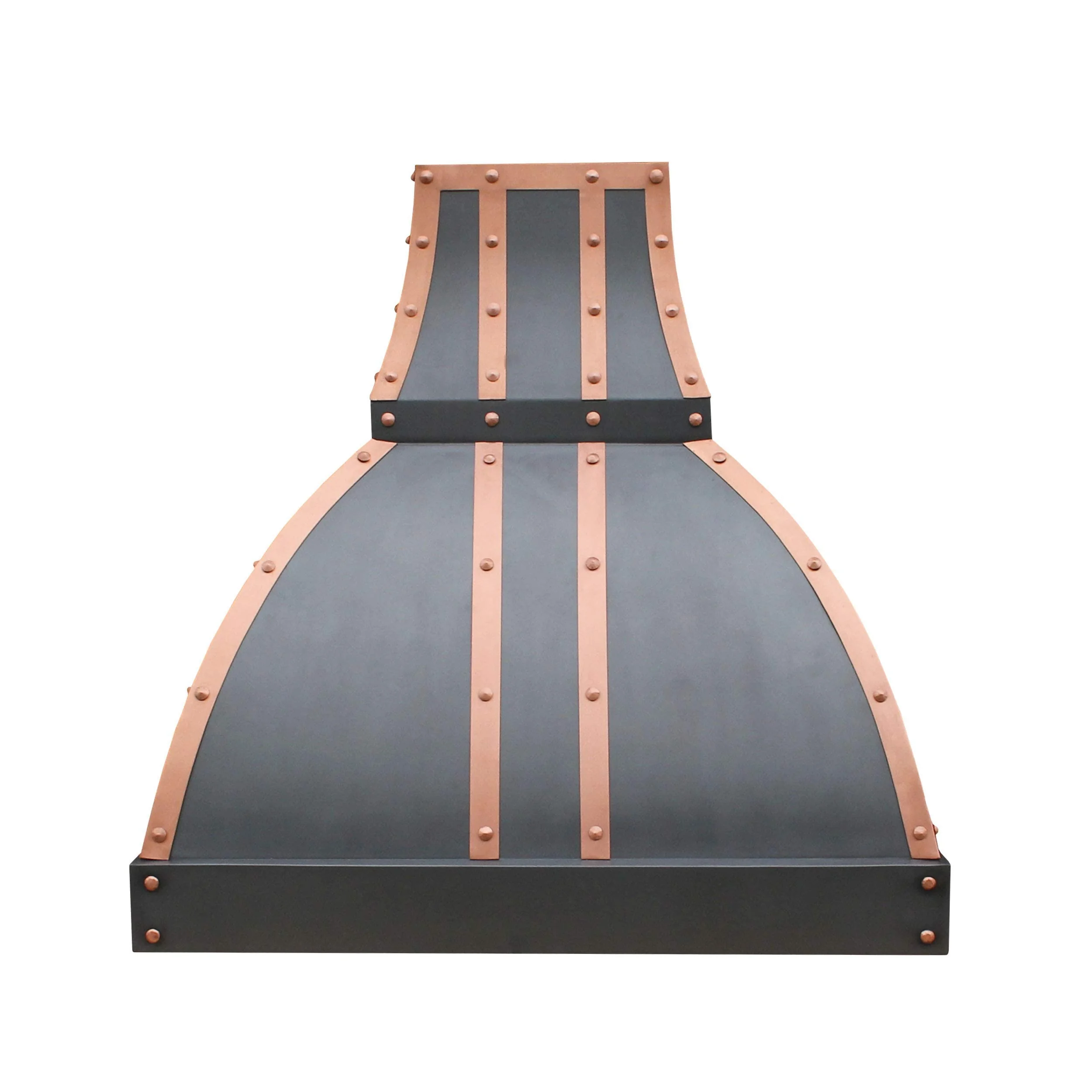
Why Choosing this Type of Product is Difficult
Selecting a suitable range hood can be challenging due to the myriad options available in terms of design, material, functionality, and price. Each type—such as stainless steel, copper, or glass—offers unique benefits but also comes with specific drawbacks that must align with your kitchen’s layout and cooking needs.
Common Buyer Mistakes
One common mistake is focusing solely on aesthetics without considering the hood’s performance capabilities such as CFM (cubic feet per minute) rating. Another oversight is not measuring the clearance requirements for a range hood, which can lead to installation issues or ineffective ventilation.
Real-World Use Experience and Expectations
In practical use, high-quality materials like copper provide durability but come with higher maintenance needs due to their susceptibility to tarnishing over time. Copper hoods also tend to be heavier than other options, requiring robust mounting solutions for stability during operation.
Where This Product Fits (Strengths & Weaknesses)
Strengths
Aesthetic Appeal: Custom handcrafted copper range hoods offer a unique and luxurious look that can enhance any kitchen’s décor.
Durability: Copper is resistant to corrosion and wear, making it suitable for heavy use in commercial or high-end residential settings.
Weaknesses
Maintenance Intensive: The natural patina of copper requires regular cleaning to maintain its appearance. This involves more effort compared to stainless steel hoods which are easier to clean.
Costly Investment: Copper range hoods tend to be significantly pricier than alternatives, making them less accessible for budget-conscious buyers.
Who Should Avoid this Product
This product is not ideal for individuals on a tight budget or those who prioritize ease of maintenance over aesthetic appeal. Additionally, homeowners with small kitchens may find the bulkiness and weight of copper hoods impractical due to space constraints.
Comparison With Alternative Styles Or Materials
When compared to stainless steel range hoods, copper models offer superior visual impact but at the expense of higher upkeep costs. Glass range hoods provide a sleek modern look while being lighter and easier to clean than their copper counterparts. However, they may not match the robustness or longevity associated with metal options.
Maintenance And Long-Term Considerations
Regular cleaning is essential for maintaining the beauty of copper range hoods. This involves periodic washing with mild soap solutions followed by drying to prevent water spots. Over time, professional polishing might be necessary to restore shine and remove accumulated grime effectively.
Long-term durability depends on proper installation and adherence to maintenance schedules. Copper’s natural resistance to corrosion ensures longevity if cared for correctly; however, neglecting upkeep can lead to premature wear or discoloration issues.
Frequently Asked Questions
Q: How often should I clean my copper range hood?
A: It’s recommended to wipe down the surface after each use and perform a thorough cleaning every 1-2 months depending on usage frequency.
Q: Can I leave my copper hood exposed in humid environments?
A: While copper is resistant, prolonged exposure to high humidity can accelerate tarnishing. Keeping it dry between uses helps preserve its appearance longer.
Q: What are the installation requirements for a heavy copper range hood?
A: Ensure your ceiling and walls can support the weight of the unit. Professional assistance might be needed for proper mounting and electrical connections.
Final Neutral Thoughts
Choosing a copper range hood involves weighing aesthetic benefits against maintenance challenges and cost implications. For those seeking distinctive kitchen design elements willing to commit long-term care, these hoods present an excellent choice. However, they may not suit everyone’s needs or preferences equally well compared to other materials available in the market.