Choosing an island mount range hood involves careful consideration of kitchen layout and cooking needs; this guide helps navigate through various options.
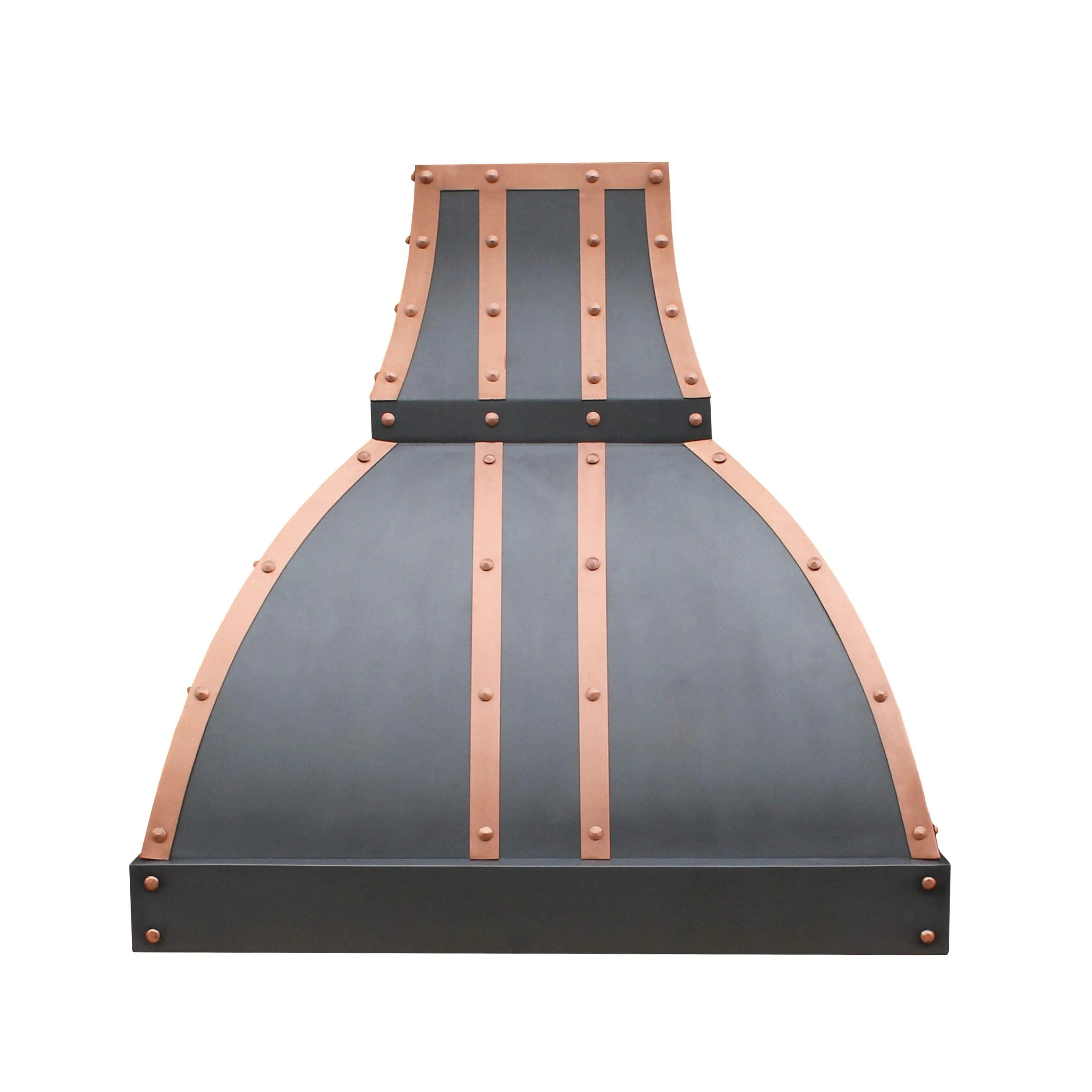
The Challenge of Selecting a Range Hood
Selecting the right range hood is no small task. It’s not just about aesthetics but also functionality, especially when it comes to island-mounted models. These hoods are designed for central cooktops in kitchens and must balance style with performance. With so many options available—ranging from budget-friendly to luxury materials like copper—it’s easy to feel overwhelmed.
Common Buyer Mistakes
One frequent mistake is focusing solely on the hood’s appearance without considering its ventilation capabilities or compatibility with your kitchen layout. Another common error is overlooking maintenance requirements, which can significantly impact long-term satisfaction and cost-effectiveness.
Real-World Use Experience and Expectations
In practical use, an island mount range hood should effectively remove smoke, steam, and cooking odors while providing adequate lighting for the cooktop area. It must also fit seamlessly into your kitchen’s design without being overly intrusive or cumbersome to install and maintain.
Strengths of Island Mount Range Hoods
Versatility: Ideal for kitchens with central islands.
Aesthetic Appeal: Often more stylish than wall-mounted hoods, enhancing kitchen decor.
Efficiency: Can be designed to capture smoke from multiple burners effectively.
Weaknesses and Limitations
Installation Complexity: More challenging to install compared to standard models due to their size and weight.
Maintenance Requirements: Regular cleaning of filters is necessary for optimal performance.
Cost Factor: Generally more expensive than wall-mounted alternatives, especially those made from premium materials like copper.
Who Should Avoid This Product
Island mount range hoods are not suitable for everyone. They may be too large or heavy for small kitchens with limited ceiling height and structural support. Additionally, homeowners who frequently move might find the investment in a high-end hood less practical than more portable options.
Comparison with Alternative Styles
When comparing island mounts to other types of range hoods—such as wall-mounted or ductless models—the choice depends on specific needs:
Wall-Mounted Hoods: Easier installation and lower profile, but may not be suitable for central cooktops.
Ductless (Recirculating) Models: More flexible in terms of placement since they don’t require a chimney. However, their effectiveness is limited compared to ducted models.
Maintenance and Long-Term Considerations
Maintenance plays a crucial role in the longevity of an island mount range hood. Regular cleaning of filters and checking for wear on components like motors can prevent costly repairs down the line. Additionally, considering the material’s durability—such as copper’s resistance to corrosion—is essential for long-term satisfaction.
Frequently Asked Questions
Q: How often should I clean my range hood? A: Typically every month or after heavy use.
Q: Can an island mount be installed in a small kitchen? A: It depends on the size of your cooktop and ceiling height. Consultation with a professional is recommended.
Q: What are the benefits of copper over stainless steel for range hoods? A: Copper offers better heat dissipation, durability against corrosion, and aesthetic appeal that enhances kitchen decor.
Final Thoughts
Choosing an island mount range hood requires careful consideration of your cooking habits, kitchen layout, and long-term maintenance needs. While they offer significant benefits in terms of style and performance for central cooktops, it’s crucial to weigh these advantages against potential drawbacks such as installation complexity and higher costs compared to other models.